Video Poker Explained: How to Beat Jacks or Better
Tucked away from the chaotic noise of the modern penny slots lies the domain of the educated gambler: the Video Poker machines.
Video Poker is one of the few games on the casino floor where your decisions mathematically impact the outcome of the hand.
Because skill is involved, the casino must offer significantly better odds; a skilled player can often reduce the house edge to under 0.5%.
If you want to master Video Poker, you must start by learning the rules and strategies for the classic "Jacks or Better" variant.
In this article, we will explain exactly how to play Jacks or Better and how to maximize your payouts.
Understanding the Rules of the Game
Jacks or Better is based on the classic card game of Five-Card Draw poker.
Once you hit the "Deal" button, the machine randomly deals you five playing cards from a standard 52-card deck.
Once you have locked in your holds, you press the "Draw" button, and the machine replaces all the unheld cards with new ones from the deck.
Any hand lower than a pair of Jacks (like a pair of Tens, or high card Ace) results in a total loss of your bet.
The stronger your poker hand (Two Pair, Flush, Full House, Royal Flush), the exponentially larger your final payout will be.
The Importance of the Max Bet Button
To achieve the highest possible RTP (Return to Player), you must absolutely always bet the maximum number of coins (usually 5).
If you look closely at the paytable printed on the machine, the payouts scale perfectly linearly for bets of 1 to 4 coins.
But if you press the "Max Bet" button and wager 5 coins, the Royal Flush payout suddenly jumps to a massive 4,000 coins.
If you play less than max coins, the house edge is significantly higher, effectively penalizing you for playing cautiously.
Missing a 4,000-coin Royal Flush payout because you only bet one coin is the most painful experience in the casino.
Basic Strategy: What to Hold and What to Fold
The core of Video Poker is making the statistically correct decision on every single draw, without exception.
For instance, if you are dealt a Low Pair and four cards to a Flush, the chart tells you which option yields the highest expected value.
A classic beginner mistake is keeping a "kicker" (a high card) alongside a pair, just like in traditional table poker.
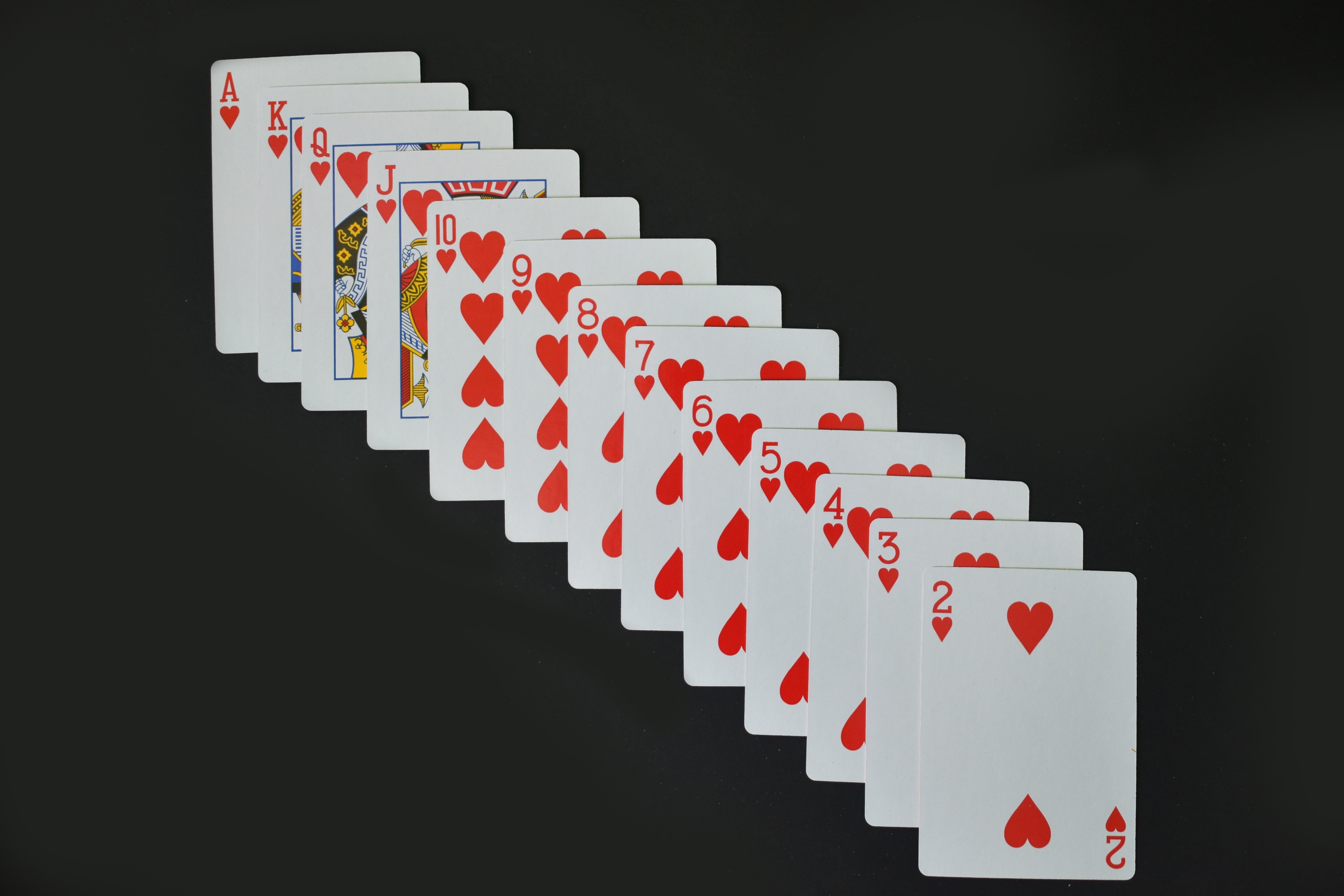
For example, if you are dealt a High Pair (Jacks) but also have four cards to a Royal Flush, the math dictates you break the pair.
In Video Poker, it is pure, ruthless math; you play the percentages perfectly, and over time, the math protects your bankroll.
What to Hold (From Best to Worst)
- Highest Expected Value: Pat hands from a Straight up to a Royal Flush. Do not draw.
- Tier 2: Four to a Royal. This is the only time you sacrifice a guaranteed winning pair to draw.
- Priority 3: Three of a kind, Straight, Flush, High Pair (Jacks or better).
- Priority 4: 4 cards to a Straight Flush, or a Low Pair (10s or lower).
- Flush Draws: Keep four suited cards and discard the outlier.
- Tier 6: Outside Straight draws. Do not draw to "inside" straights (where you need one specific middle card).
The "Full Pay" Paytable Explained
| Poker Hand | Payout (Max 5 Coins) | Why 9/6 is Critical |
|---|
| Straight Flush | 250 Coins | A rare but highly lucrative hand. |
| Straight | 20 Coins | Standard payout across most Jacks or Better variants. |
| Two Pair | 10 Coins (2 to 1) | Doubles your money. Very common stabilizing hand. |
Not all Jacks or Better machines are created equal; casinos quietly lower the payouts on specific hands to increase their edge.
A true 9/6 machine, when played with perfect strategy, offers an incredible 99.54% Return to Player (RTP).
Never play an 8/5 or lower machine if a 9/6 machine is available in the same casino.
Master the strategy, hit the Max Bet button, and enjoy the intellectual thrill of beating the casino at its own game.